Safe Labs compares onchain multisig and MPC wallets for institutional teams

Safe Labs published a comparison of self-custody wallets for teams and institutions on 21 October 2026, weighing Safe{Wallet} against Ledger Multisig, Fireblocks and Fordefi. The guide focuses on where signing authority is enforced, how teams coordinate approvals and whether outsiders can verify account activity onchain.
Its central distinction is between onchain multisig and MPC-based signing. Both models can distribute transaction approval among several participants, but they place the controls in different places. That difference affects what a team can independently inspect and which parts of its workflow depend on a vendor’s infrastructure.
Two models for distributing transaction authority
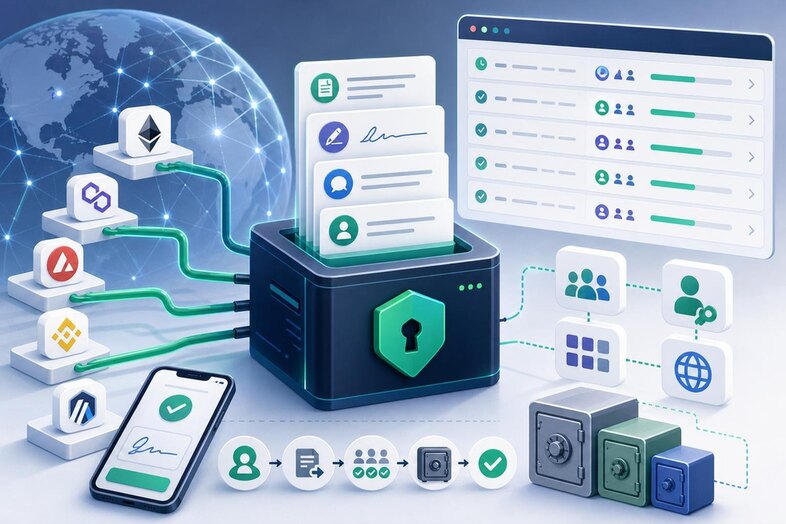
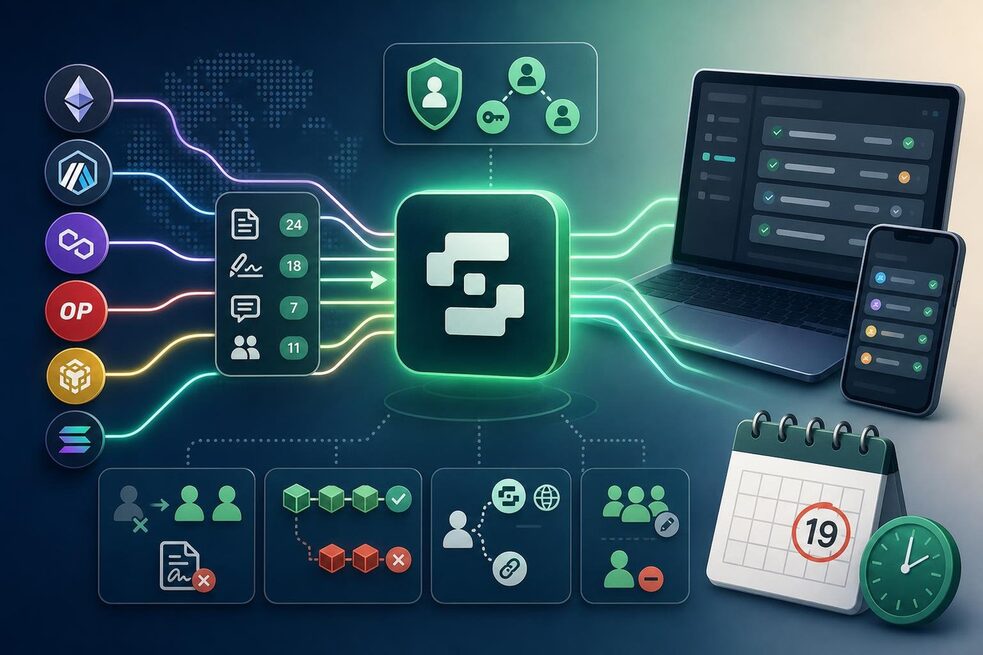
Safe{Wallet} uses smart-contract multisig. A team configures a set of signers and an approval threshold, and the Safe contract enforces that threshold before executing a transaction. The guide says owner changes, threshold changes and executed transactions are recorded onchain, allowing signers and other observers to check the account’s activity against its configured rules.
This is the guide’s main argument for Safe: the approval logic is visible in a contract rather than enforced solely inside a provider’s systems. A transaction still requires coordination among the configured signers. Onchain visibility does not remove that operational requirement.
MPC, or multi-party computation, takes a different approach. Rather than having multiple independent keys sign directly, it divides a private key into cryptographic shares that contribute to a signature. The guide describes Fireblocks and Fordefi as using MPC infrastructure, with parts of the signing process handled through their respective systems. It says that this can produce a signature requiring multiple approvers, while leaving some operational trust with the provider.
The distinction is about verification, not a claim that every MPC arrangement is traditional third-party custody. Safe Labs says the team retains control over who can sign in the products it compares, but argues that onchain multisig makes the approval path independently inspectable in a way that vendor-side processes may not. Organisations assessing either model need to identify where the threshold is enforced and what evidence of approval is available to them.

What each wallet offers
The guide presents Safe{Wallet} as an onchain smart-account option for treasury teams, DAOs, protocols, funds and foundations. It says Safe accounts are free to deploy and that Safe supports hardware and MPC signers. Safe Pro is described as an optional paid organisational layer for teams managing multiple accounts. Its listed features include a shared Workspace, an audit log, spending limits, Proposers and professional support. Safe Pro adds coordination and visibility, the guide says, without changing the signers or threshold configuration of an individual account.
Safe Labs reports that Safe secures more than $60 billion in onchain assets and names the Ethereum Foundation, Aave, Polygon, Gnosis and Worldcoin among organisations that use it. Those figures and examples are presented by the company’s guide; they do not, by themselves, establish how any particular organisation configures or operates its accounts.
Ledger Multisig is described as a hardware-device multisig product built on Safe’s smart-contract protocol. Multiple Ledger devices act as independent approvers. The guide identifies its fit as teams already standardised on Ledger hardware, while noting that coordinating physical devices across a distributed team can add operational work. It also says the device workflow places Ledger software and firmware between the signer and transaction, unlike direct inspection of the underlying Safe contract logic.
Fireblocks is presented as institutional digital-asset infrastructure using MPC key shares, a policy engine and workflow automation. Safe Labs says it supports around 150 chains and is aimed at organisations handling high transaction volumes. The guide also distinguishes Fireblocks’ MPC infrastructure from a separate fully custodial trust company that it says the firm operates. Its stated trade-offs include reliance on provider-operated infrastructure for part of the key-share process and the absence of public pricing.
Fordefi is characterised as an institutional MPC wallet and Web3 gateway for trading firms, market makers and DeFi-active organisations. According to the guide, its system combines key shares, isolated hardware, biometric-gated approvers and a policy engine. It lists transaction simulation before signing and support across 25 or more ecosystems among the product’s features. The guide says Fordefi was acquired by Paxos in December 2025; it also flags vendor dependency and integration-related roadmap uncertainty as considerations, rather than reporting a specific change to the product.

Choosing based on the operating model
The comparison does not treat one design as suitable for every organisation. Safe Labs says teams prioritising onchain-verifiable approval logic may prefer Safe, while teams already committed to Ledger devices may favour Ledger Multisig’s hardware workflow. It positions Fireblocks for institutions that want to outsource more key infrastructure and policy operations, and Fordefi for trading desks seeking MPC signing and policy tooling for active DeFi use.
These categories describe the guide’s assessment, not independent performance results. It supplies no comparative transaction benchmarks or tests. Instead, it asks organisations to consider four factors: whether approval rules can be checked independently, whether authority is distributed among multiple signers, whether the organisation can oversee its accounts centrally, and whether the provider’s operating model fits the team’s needs.
For teams managing several Safe accounts, Safe Pro is presented as an optional way to bring account visibility, policy and support into a shared organisational layer. The underlying Safe accounts remain free to deploy, according to the guide. Fireblocks and Fordefi, by contrast, are described as using enterprise sales processes without published pricing, while Ledger Multisig is framed around organisations that have already adopted Ledger hardware.
The practical decision is therefore not simply multisig versus MPC. Teams also need to decide whether they want the approval threshold enforced by an onchain smart contract or handled through provider infrastructure, how much operational coordination they can support, and whether they need a management layer across multiple accounts. Safe Labs’ comparison was published on 21 October 2026.