Safe Queue Service consolidates pending Safe activity in one multichain API
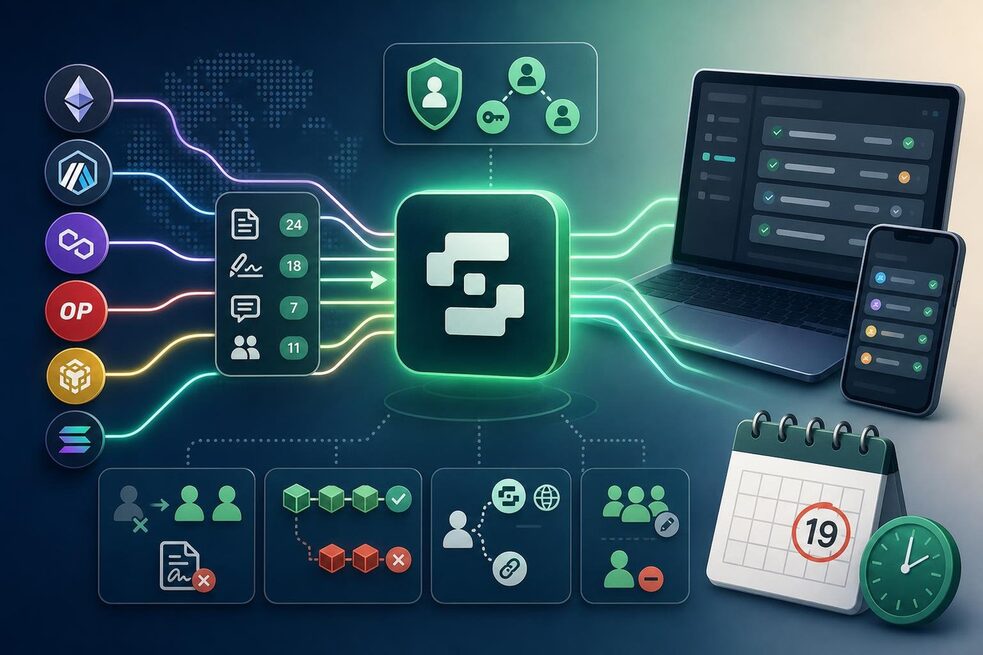
Safe Labs has put the Safe Queue Service into production, giving integrations one API for pending Safe transactions, signatures, offchain messages and delegates across supported networks. The service already powers Safe{Wallet} and is intended to replace the Transaction Service endpoints used for those pending actions.
The change affects developers who propose transactions, collect signatures, handle offchain messages or manage delegates. Safe Labs says those integrations must migrate before the old endpoints are removed on 19 January 2027.
One request for pending activity across chains
The Transaction Service exposes separate endpoints for each chain, so applications that monitor multiple Safes and networks have had to query each one and combine the responses. The Queue Service accepts Safe-and-chain pairs in a single request and can return pending activity for up to 100 pairs. This removes the need for an integration to maintain a separate request flow for each chain or merge those results on the client.
Safe Labs gives safes=0xA:1:137 as an example of passing Safe and chain information. The service returns transactions that remain executable and filters out those below the Safe’s current nonce. Integrations can also request up to 100 transactions by hash in one call, which can support history views that include notes and origin details.
The service covers pending offchain Safe data, rather than all Safe information. Executed transaction history, balances and Safe details remain on the Transaction Service. In practice, integrations need to use the Queue Service for pending data and continue to use the Transaction Service for executed data and those other records.
Proposals require a valid signature
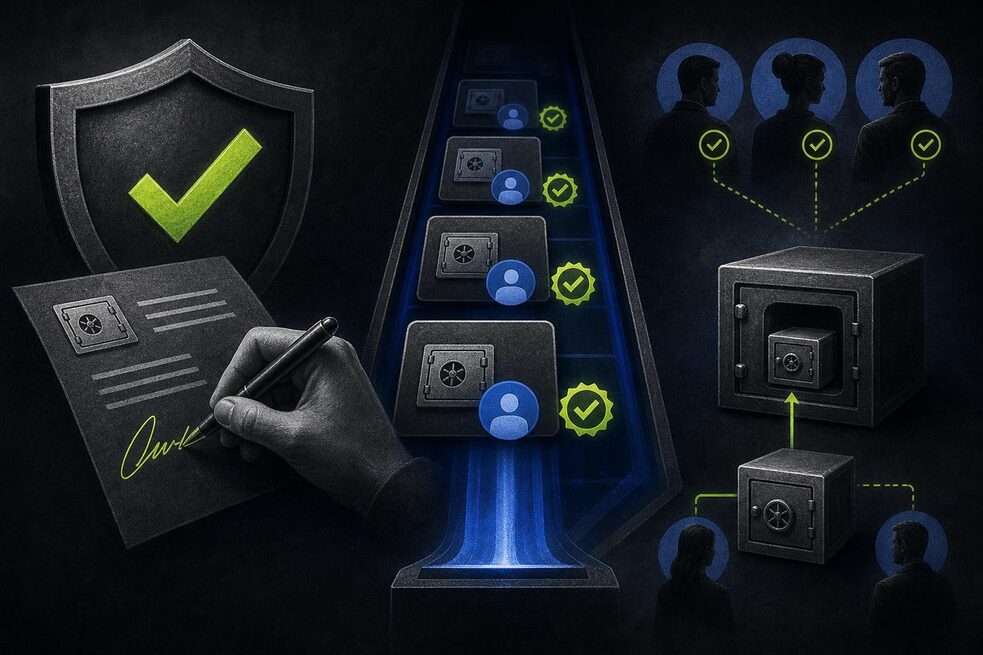
The Queue Service rejects unsigned transaction proposals. Each proposal must include at least one valid signature from an owner, a delegate or the owner of an owner Safe. The service calculates the transaction hash, determines the proposer from the signature and records how that proposer was authenticated.
Safe Labs says this means entries in the queue identify who proposed each transaction and are authenticated before teams review them. The service also supports submitting up to 50 owner signatures in a single request.
Nested Safe ownership is covered too. If one Safe is owned by another, an integration can propose the parent Safe’s transaction and the inner transaction together. Signers of the owner Safe can also propose directly.
Queue state follows signer and chain changes
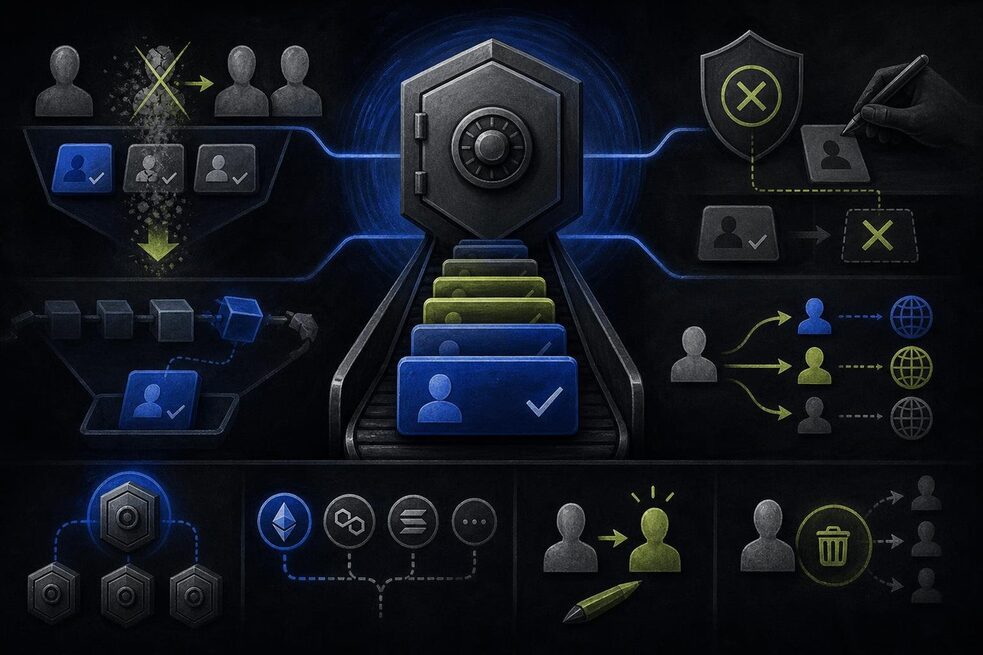
The service updates pending records when Safe ownership changes. If an owner is removed, their pending signatures and delegations are removed from the queue, so the displayed approvals do not include a former signer. If a chain reorganisation reverses an execution, the transaction returns to pending. Conversely, the service rejects new signatures for a transaction that has already executed.
Delegations can be scoped to a particular Safe or to every Safe, and to a particular chain or all chains. Delegates can be renamed, while an owner can remove all of their delegates in one step. These options let integrations represent delegations with different scopes through the same service.
Migration deadline and integration changes
Safe Labs describes the migration as a breaking change. Most integrations will need to update the base URL, request bodies and the signing domain used for deletions and delegates. Existing API keys remain valid, and the Queue Service supports every network supported by the Transaction Service.
The Transaction Service endpoints for proposing transactions, collecting signatures, handling offchain messages and managing delegates are deprecated. Safe Labs says they will shut down on 19 January 2027; integrations using them need to migrate by that date. The migration guide maps the old endpoints and fields to the new service and includes a checklist.