Safe publishes agent skills for proposing multisig transactions

Safe Labs has published an open-source set of AI agent skills that lets Claude Code, Codex and Cursor read Safe accounts, explain transactions and draft proposals through the Safe{API}. Owners must still approve and execute every transaction under the Safe’s existing threshold rules.
The skills combine instructions and helper scripts for common Safe tasks. They run on the Safe{API} and require a user’s own API key; Safe Labs says they do not depend on a new service. The release was announced by the Safe Labs platform team on 26 November 2026.
From account data to a queued proposal
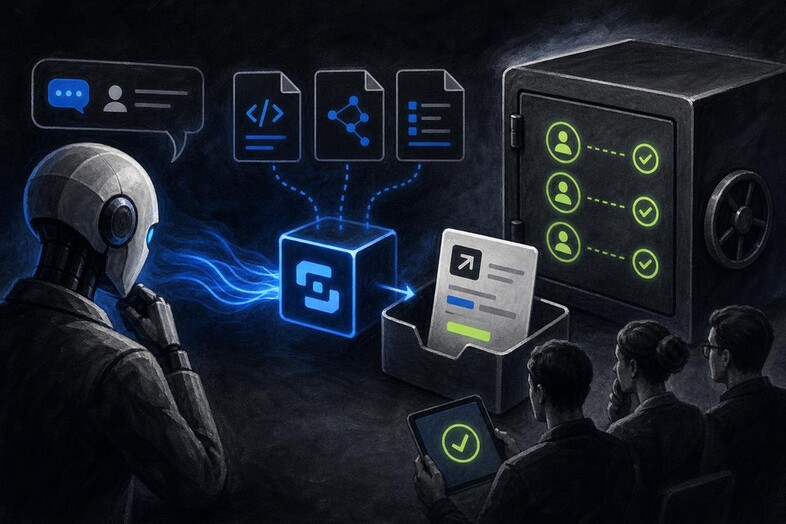
An agent can use the skills to check a Safe’s balances and transaction history, and inspect items already waiting in its queue. It can also interpret raw calldata in plain language and estimate the gas required before anyone signs.
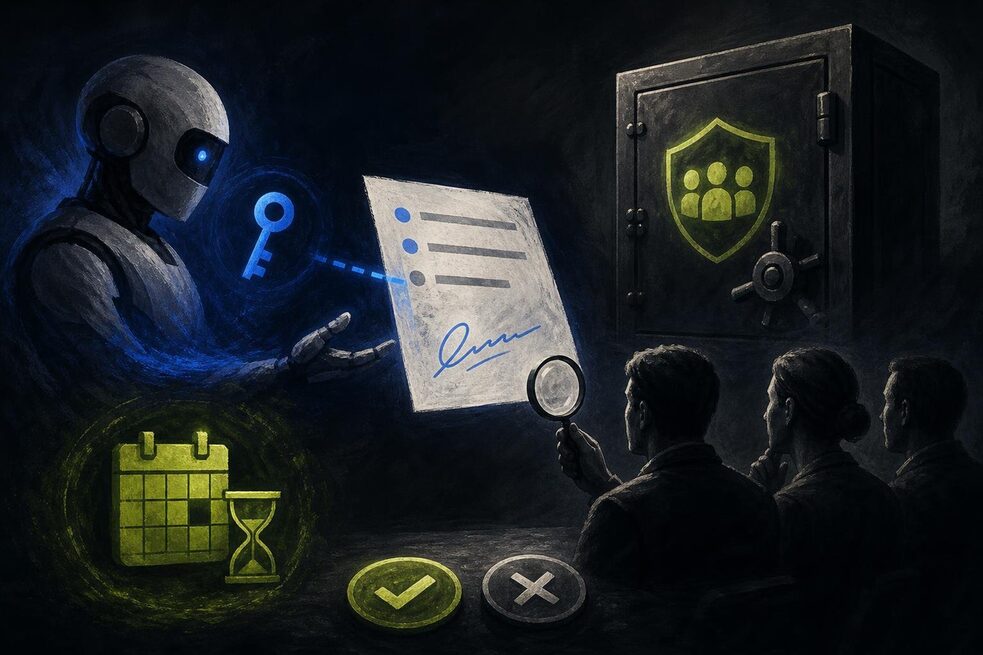
For transaction proposals, an owner first signs once to register the agent as a delegate. The agent can then prepare a transaction and submit it to the Safe’s queue. Safe{Wallet} labels proposals made with the agent skills, allowing owners to identify them during review.
The distinction between proposing and signing is central. A delegate can submit a request, but cannot sign transactions, alter the Safe’s owners or move funds. Owners retain the decision to approve and execute a proposal, subject to the account’s configured threshold.
Delegation is limited
Safe describes proposals as offchain signed requests. The agent does not hold funds or need gas to submit one. Delegation expires after seven days by default, according to the release.
Safe Labs says that if an agent’s key is compromised, the resulting risk is unwanted proposals rather than direct control of funds. Owners can decline proposals they do not recognise. That safeguard does not remove the need to review a proposal’s contents before signing.
Documentation and setup
The release also updates Safe’s documentation for agent discovery. The llms.txt file points to the OpenAPI specification, while the complete documentation is available in llms-full.txt. Safe has made the API specification available at locations agents commonly check and added a skills index at .well-known/agent-skills/index.json.
To use the skills, developers install them from the open-source safe-agent-skills repository and set a Safe{API} key as the SAFE_API_KEY environment variable. Safe says the key is free on its Builder plan, which includes 50,000 requests per month. After setup, users can ask an agent questions about a Safe or request a transaction draft; any proposed transaction remains in the queue for an owner to review and sign.